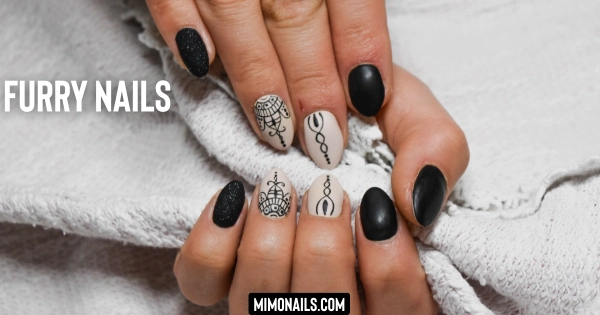
Furry Nails: Trend Guide, Design Ideas, How They Work & Are They Safe?
One afternoon in a small nail studio in Tokyo, a client asked for something unusual. She did not want glitter nails, chrome nails, or a classic gel manicure. She showed a photo on her phone and said, “I want nails that look soft… like fur.”
The nail artist smiled and replied, “You want furry nails.”
Within a few minutes, the manicure looked completely different from anything in a typical salon. Instead of glossy polish, the nails had a fuzzy texture that resembled velvet or soft fabric.
That unusual design quickly became a viral beauty trend.
Furry nails, sometimes called fuzzy nails or textured nail art, have appeared on social media platforms, fashion editorials, and creative runway shows. Nail artists experiment with materials such as velvet powder, flocking powder, and textured gel polish to create this unique look.
In this guide, you will learn what furry nails are, how they are created, popular furry nail designs, and whether this trend is safe for natural nails.
What Are Furry Nails?
Furry nails are a textured nail art style that creates a soft, fuzzy surface on the nail. Nail artists use materials such as velvet powder, flocking powder, or textured gel polish to produce a fur-like appearance. The result is a manicure that looks and feels soft instead of smooth and glossy.
This trend is also known as fuzzy nails, velvet nails, or textured nail art.
You can read more info on this article: https://mimonails.com/elegant-nails/
Why Furry Nails Became a Viral Nail Trend
Furry nails gained attention because they break the traditional idea of what a manicure should look like.
Most nail styles focus on glossy finishes, metallic chrome powders, or simple polish colors. Furry nails introduce texture and dimension.
Several factors helped this nail trend spread quickly.
Social Media Beauty Trends
Creative nail designs often go viral on platforms like TikTok, Instagram, and Pinterest. Nail artists frequently share experimental designs that attract millions of views.
Furry nails stand out in photos and videos because the texture looks unusual.
Runway and Fashion Influence
Fashion designers often experiment with textures such as velvet, faux fur, and fabric patterns. Nail artists adapt these ideas to create manicure styles that match runway collections.
Some editorial beauty shoots have featured furry nail art to complement winter clothing and textured fabrics.
Read More: https://mimonails.com/summer-nails-2026/
Creative Nail Art Community
Professional nail artists enjoy exploring unconventional techniques. Textured nail art allows them to experiment with materials and push the boundaries of traditional manicures.
Because of this creativity, the furry nail trend continues appearing in beauty blogs and nail art tutorials.
How Furry Nails Are Created
Creating furry nails requires special materials and careful technique. The goal is to produce a soft texture that stays attached to the nail surface.
if you want also more info about this please visit https://mimonails.com/how-to-remove-gel-nail-polish/
Tools and Materials
Nail technicians typically use the following tools.
- Flocking powder
- Velvet nail powder
- Gel polish base
- Nail brush
- UV or LED nail lamp
- Nail sealant or top coat
Professional nail brands such as Kiara Sky, Young Nails, CND, Gelish, and Beetles Gel Polish often supply the gel products used in the base manicure.
Basic Application Process
The process for creating furry nails usually follows several steps.
- Prepare the natural nail and apply a base coat.
- Apply gel polish in the chosen color.
- While the polish remains tacky, sprinkle flocking powder or velvet powder onto the nail surface.
- Cure the nail under a UV or LED lamp.
- Gently brush away excess powder.
The powder attaches to the gel surface, creating the fuzzy effect.
Salon vs DIY Application
Many people attempt furry nails at home using nail art kits. However, professional nail technicians often achieve better results because they understand product layering and curing techniques.
Salon application also ensures the nail remains balanced and durable.
Types of Furry Nail Designs
Furry nail art can appear in several different styles depending on the material and color choices.
Velvet Furry Nails
Velvet nails create a soft matte texture that resembles fabric. This design often uses velvet powder in neutral colors.
Colorful Fuzzy Nails
Some nail artists experiment with bright colors such as pink, purple, or turquoise. These playful styles are popular in fashion editorials.
Animal Inspired Furry Nails
Animal print textures sometimes appear in furry nail art. Leopard or faux fur patterns create a bold and artistic manicure.
Minimal Furry Accent Nails
Instead of covering every nail with texture, some designs use furry powder on only one accent nail.
This approach balances creativity with practicality.
Popular Furry Nail Colors
Color plays an important role in furry nail design.
Certain shades highlight the texture more effectively.
Popular colors include:
- Soft beige furry nails
- Blush pink fuzzy nails
- Lavender velvet nails
- Chocolate brown textured nails
- Deep burgundy furry nails
Neutral tones often create a more elegant textured manicure.
Pros and Cons of Furry Nails
Like any beauty trend, furry nails have advantages and drawbacks.
Benefits of Furry Nail Art
- Unique textured appearance
- Creative and artistic manicure style
- Popular in fashion photography
- Works well for themed nail designs
Possible Drawbacks
- Texture can collect dust or lint
- Less durable than standard gel polish
- May require careful maintenance
Because of these factors, many people treat furry nails as a temporary fashion statement rather than an everyday manicure.
30+ Furry Nail Design Ideas You Can Try
Furry nails allow nail artists to explore texture in ways that traditional manicures cannot. The fuzzy surface adds depth and a soft visual effect that stands out in photos and real life.
Below are 30 popular furry nail ideas that show how versatile this nail trend can be.
Soft and Elegant Furry Nails
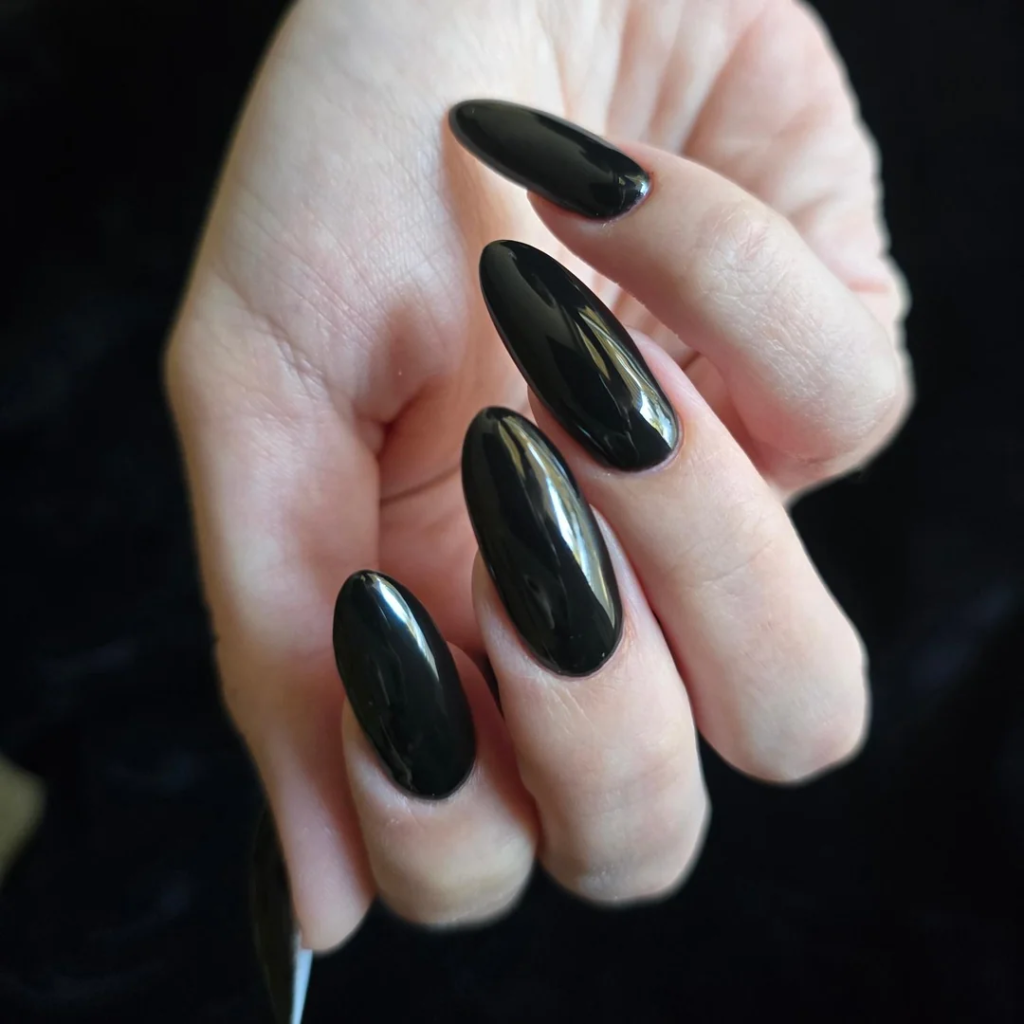
These styles use neutral tones and subtle textures for a refined look.
- Soft nude furry nails
- Blush pink velvet nails
- Beige fuzzy nails
- Milky white furry nails
- Light taupe textured nails
Bold and Colorful Furry Nails
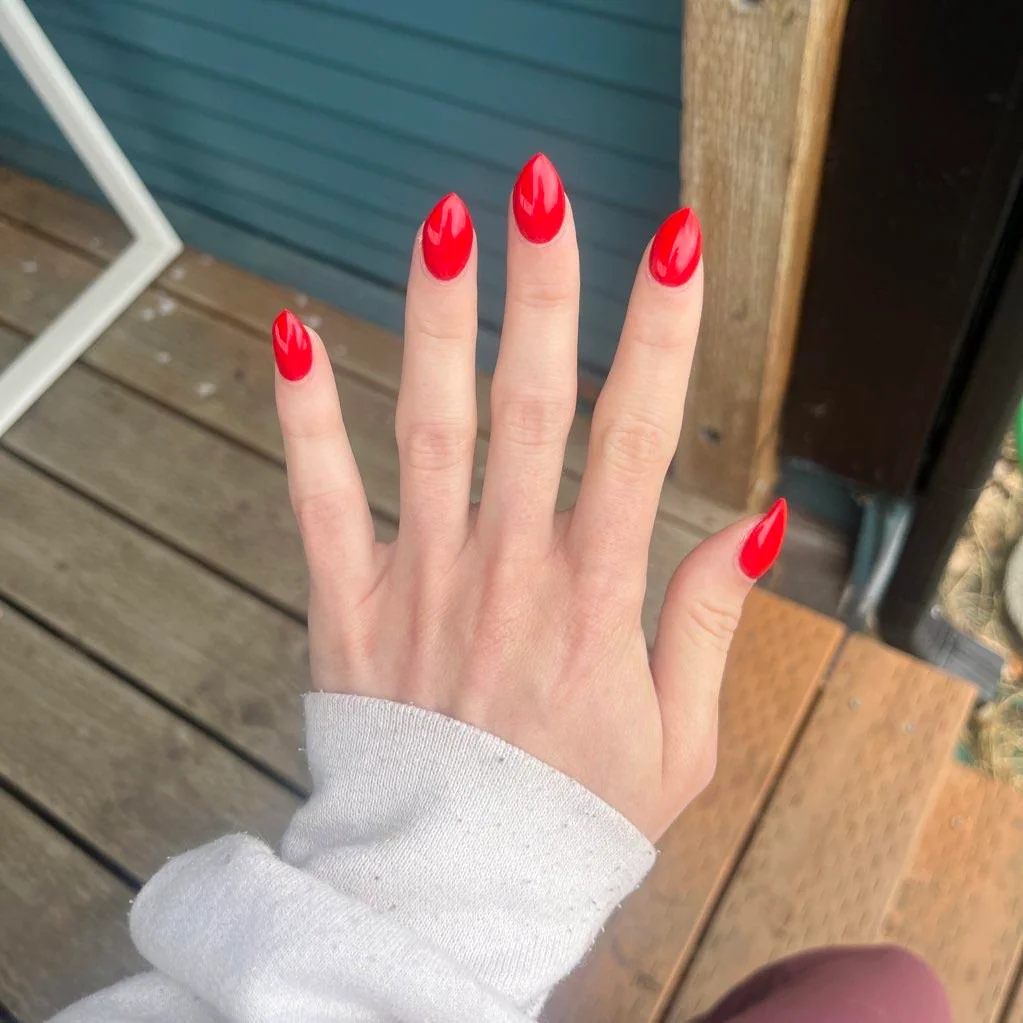
Bright shades make the fuzzy texture even more noticeable.
- Hot pink furry nails
- Neon purple fuzzy nails
- Electric blue textured nails
- Coral velvet nails
- Bright orange furry nails
Pastel Furry Nails
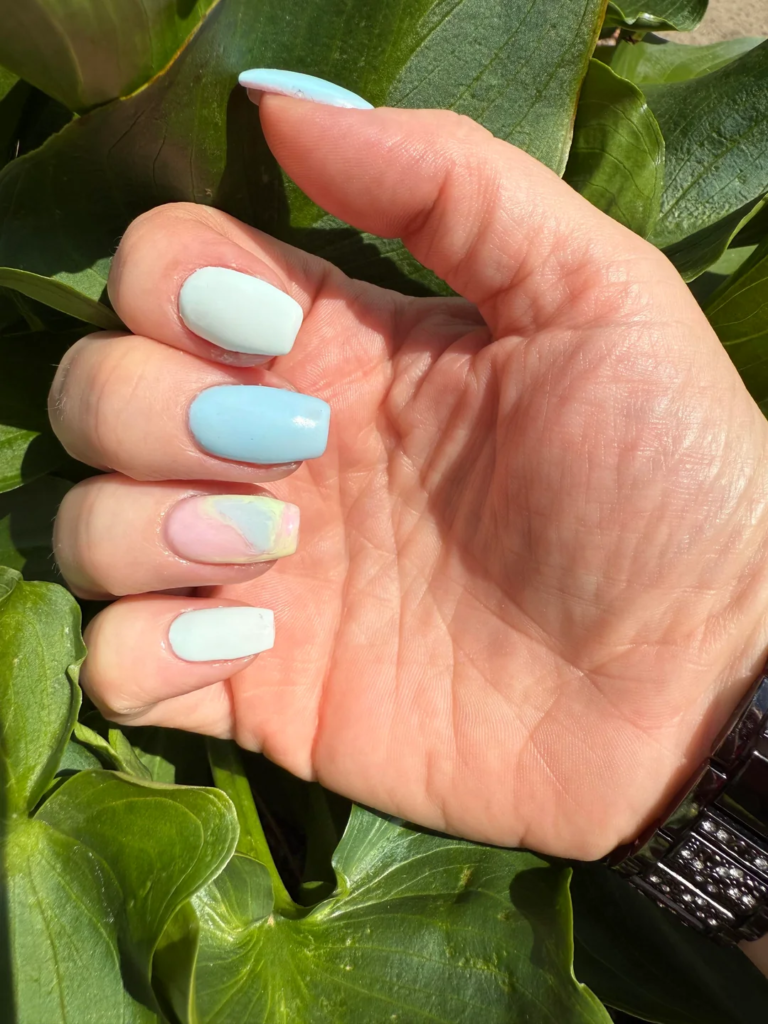
Pastel colors create a playful and soft manicure.
- Lavender fuzzy nails
- Baby blue velvet nails
- Mint green furry nails
- Peach pastel textured nails
- Lemon yellow fuzzy nails
Dark and Dramatic Furry Nails
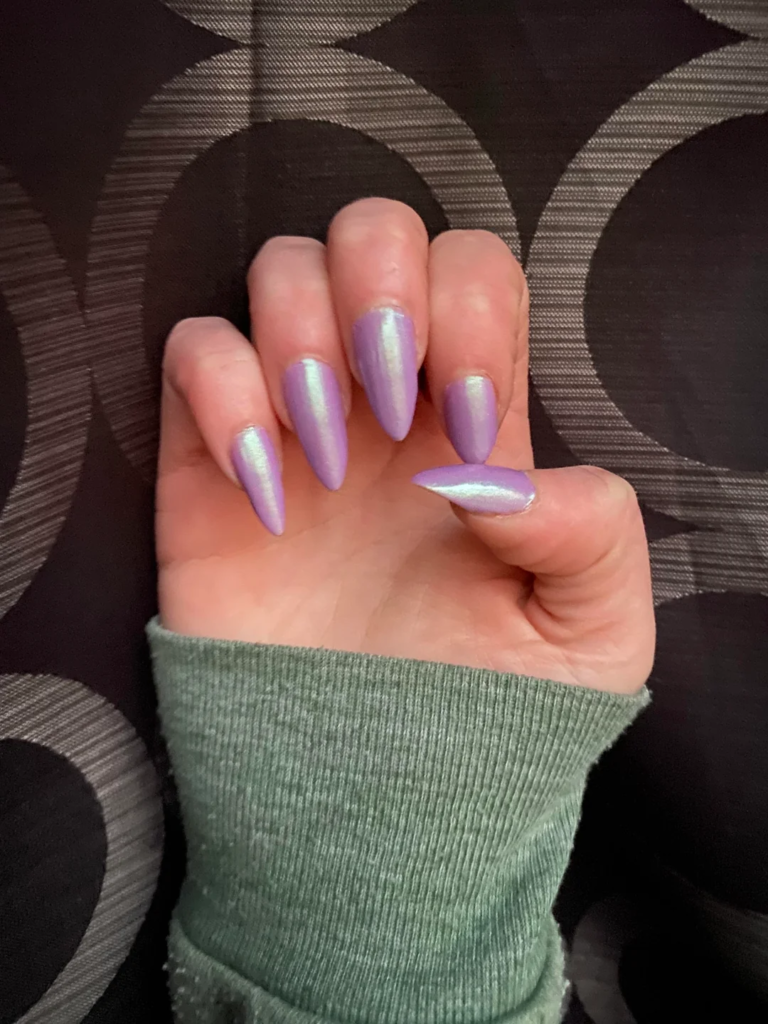
Deep shades highlight the texture and create a striking manicure.
- Burgundy velvet nails
- Dark chocolate furry nails
- Midnight blue textured nails
- Forest green fuzzy nails
- Charcoal gray furry nails
Creative Furry Nail Art
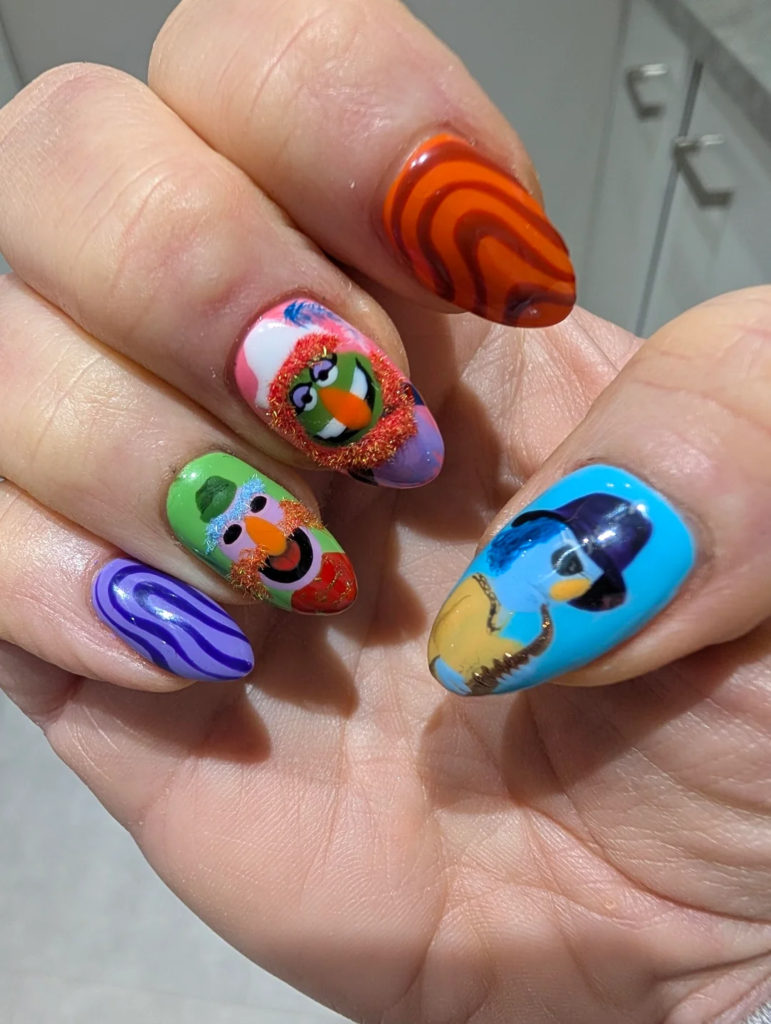
Some nail artists combine fuzzy textures with other nail art techniques.
- Leopard print furry nails
- Ombre velvet nails
- Furry French tip nails
- Marble fuzzy nails
- Glitter accent furry nails
Minimalist Furry Accent Nails
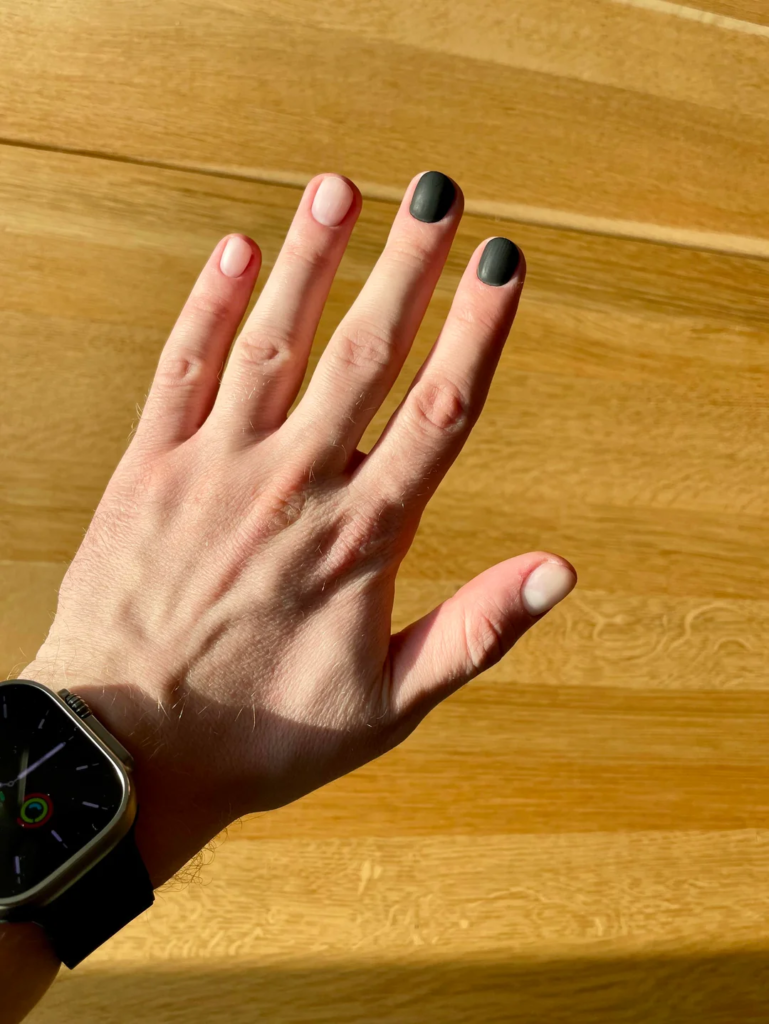
Many people prefer using fuzzy texture on just one nail.
- Furry accent ring finger nail
- Velvet accent nail design
- Neutral manicure with one fuzzy nail
- Matte nails with fuzzy detail
- Soft pink manicure with velvet accent
These design ideas show how furry nails can be playful or elegant depending on color and placement.
Best Nail Shapes for Furry Nails
The nail shape plays an important role in how furry nail designs look. Some shapes display texture better than others.
Almond Nails
Almond nails provide a smooth curved silhouette that pairs well with soft textures like velvet powder.
This shape often appears in fashion editorials featuring textured nail art.
Coffin Nails
Coffin nails provide a flat surface that works well for bold textures and bright colors.
Many nail artists prefer coffin shapes for creative designs.
Oval Nails
Oval nails create a natural appearance that works well with minimalist furry nail styles.
Short Rounded Nails
Short rounded nails make furry nail art more practical for everyday wear.
Choosing the right shape helps balance texture with comfort.
Nail Products Used to Create Furry Nails
Professional nail technicians often rely on high-quality products to create textured nail art.
Several nail brands offer materials suitable for furry nails.
Velvet Nail Powder
Velvet powder creates a soft fabric-like finish. It is one of the most common materials used for fuzzy nail art.
Flocking Powder
Flocking powder contains tiny fibers that attach to gel polish and produce a fuzzy surface.
Gel Polish Base
A gel polish base helps the textured powder adhere properly.
Professional brands often used in salons include:
- Kiara Sky
- Young Nails
- Gelish
- CND Shellac
- Beetles Gel Polish
These brands provide durable gel formulas that hold textured materials securely.
How Long Do Furry Nails Last?
Furry nails usually last one to two weeks, depending on the materials used and how the manicure is maintained.
Because the surface is textured rather than smooth, it may wear down faster than traditional gel polish.
Factors that influence durability include:
- Nail preparation before application
- Quality of gel base products
- Exposure to water and cleaning chemicals
- Daily hand activity
Proper care helps extend the lifespan of textured nail art.
Tips for Maintaining Furry Nails
Maintaining furry nails requires slightly different care compared to traditional manicures.
Avoid Excessive Water Exposure
Long exposure to water may weaken the adhesive bond holding the fibers to the nail surface.
Clean Nails Gently
If dust or lint collects on the surface, use a soft nail brush to clean it gently.
Protect Nails During Cleaning
Household cleaning chemicals may damage textured nail art. Wearing gloves helps preserve the manicure.
Avoid Picking at the Texture
Picking at the fuzzy fibers may remove them from the nail surface.
Proper care ensures the manicure remains soft and visually appealing.
Common Mistakes When Trying Furry Nails
Many people try this nail trend for the first time without understanding the technique.
Avoiding these mistakes improves results.
Using Too Much Powder
Applying excessive flocking powder may create uneven texture.
Skipping Gel Polish Base
Without a proper gel base, the fibers will not attach correctly.
Ignoring Nail Shape
Poor nail shaping can make textured nails look unbalanced.
Expecting Long-Term Durability
Furry nails are usually considered a creative or temporary manicure rather than a long-lasting everyday style.
Are Furry Nails Safe for Natural Nails?
Many people who see furry nails for the first time ask a simple question. Are they safe for natural nails?
In most cases, the answer is yes. Furry nails are generally safe when applied correctly by a trained nail technician or when proper nail preparation is done at home.
The key factor is the base manicure technique. The fuzzy effect usually sits on top of a gel polish layer or acrylic base. As long as the underlying manicure is applied and removed correctly, the textured fibers themselves do not damage the nail plate.
However, problems can appear if the manicure is removed incorrectly.
Improper Removal Methods
Peeling off textured nails can remove layers of the natural nail. This is the same issue that happens when gel polish is peeled off instead of soaked.
The safest removal method usually involves:
- Soaking the nails in acetone
- Gently pushing away the gel layer
- Buffing the surface lightly
Many nail technicians recommend using professional removers from brands like OPI, CND, or Gelish for safe removal.
Nail Sensitivity After Removal
Because textured manicures often require gel polish or acrylic base layers, nails may feel slightly dry after removal.
This dryness usually comes from acetone rather than the furry texture itself.
Applying cuticle oil and moisturizing creams can help restore nail hydration quickly.
Nail Care After Removing Furry Nails
Healthy nail care habits are essential after removing any type of manicure. Proper recovery ensures that nails remain strong for future designs.
Hydrate the Nail Plate
Acetone removal can dry the nails. Applying cuticle oil immediately after removal helps restore natural moisture.
Products like CND SolarOil, Essie Apricot Cuticle Oil, and OPI ProSpa Nail Oil are widely used in salons.
Use Strengthening Treatments
Strengthening base coats support nail recovery. These products add protective layers that help prevent peeling or splitting.
Examples include:
- OPI Nail Envy
- Sally Hansen Hard as Nails
- Essie Treat Love and Color
H3: Keep Nails Trimmed
Short nails are less likely to break during recovery. Trimming nails regularly also helps them grow evenly.
Allow Short Breaks Between Manicures
Giving nails a break between textured manicures helps maintain their natural strength.
Even a one-week break can improve nail condition.
The Future of Textured Nail Art
Furry nails represent a larger trend within the beauty industry. Nail artists are increasingly exploring texture instead of relying only on color.
Several textured manicure styles are gaining attention.
Velvet Nails
Velvet nails create a soft shimmering texture using magnetic gel polish. This trend became popular on social media and continues growing in nail salons.
Sugar Nails
Sugar nail art uses fine glitter powder to create a textured surface that resembles sugar crystals.
H3: Fabric-Inspired Nail Art
Some nail artists experiment with materials that mimic fabrics such as velvet, suede, or knit patterns.
These creative techniques push nail art beyond traditional polish designs.
Frequently Asked Questions About Furry Nails
What are furry nails?
Furry nails are textured nail designs that create a soft, fuzzy appearance using flocking powder or velvet powder applied over gel polish or acrylic nails.
How long do furry nails last?
Most furry nails last about one to two weeks. Because the texture is delicate, the manicure may wear faster than traditional gel polish.
Can furry nails get wet?
Yes, but frequent water exposure may reduce the lifespan of the texture. Gentle drying and proper care help maintain the design.
Are furry nails comfortable to wear?
Many people find them comfortable because the fibers are soft. However, the texture feels different from smooth nail polish.
Can furry nails be done at home?
Yes. Many nail art kits include flocking powder and gel polish for DIY textured nails. However, salon applications often produce better results.
Final Thoughts
Furry nails show how creative nail art can become when artists experiment with texture and materials. Instead of relying only on glossy finishes, this trend adds softness and dimension to a manicure.
Although furry nails may not be the most practical everyday style, they remain a fascinating example of artistic nail design.
For people who enjoy experimenting with unique beauty trends, textured manicures such as furry nails, velvet nails, and fabric-inspired nail art offer exciting ways to express creativity.
With proper nail care and safe removal techniques, this unusual nail trend can be enjoyed without damaging natural nails.