
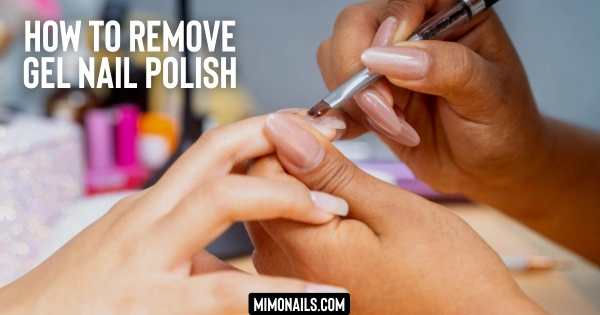
How to Remove Gel Nail Polish Safely at Home (Step-by-Step Guide + Expert Tips 2026)
Last winter, a friend texted me in panic at 10:30 PM.
She had a meeting the next morning and her gel manicure looked terrible. The polish was lifting at the edges, and she had already started picking at it. By the time she called, two nails were already damaged.
That situation happens more often than people realize.
Gel nail polish looks beautiful and lasts much longer than regular polish. But removing it incorrectly can weaken the natural nail plate. Many people peel, scrape, or force gel polish off. That shortcut causes thin nails, peeling layers, and sensitivity.
The truth is simple. Gel polish removal is easy when you use the right process and tools.
In this guide, you will learn how to remove gel nail polish safely at home, what tools professionals use, and how to avoid common mistakes that damage nails. I will also share practical advice based on salon practices and nail care research.
By the end, you will know exactly how to remove gel polish without harming your natural nails.
What Is Gel Nail Polish? (Quick Definition for Featured Snippet)
Gel nail polish is a long-lasting manicure product that cures under a UV or LED lamp. Unlike regular polish, gel formulas from brands like OPI, CND Shellac, and Gelish harden into a durable coating that resists chips for up to two or three weeks. Because the formula bonds strongly to the nail, proper removal requires soaking with acetone.
You can read more info on this article: https://mimonails.com/coffin-nails/
Why Proper Gel Nail Polish Removal Matters
Many people underestimate the importance of proper gel polish removal.
The biggest mistake people make is peeling or scraping the polish off the nail. It may feel satisfying at the moment, but it damages the natural nail layers.
Here is why proper removal matters.
Protects Natural Nail Layers
Your natural nail has several thin layers of keratin. When gel polish is peeled off, those layers often come off with it.
Over time, this causes nails to become thin and weak.
Prevents Nail Splitting and Peeling
Improper removal often leads to peeling nails. You may notice the surface of the nail looks rough or uneven after removing gel polish incorrectly.
Maintains Healthy Nail Growth
Healthy nail growth depends on protecting the nail plate and cuticle area. When gel polish is removed properly, the natural nail remains smooth and strong.
Nail professionals consistently recommend the soak-off removal method because it minimizes damage.
How to Remove Gel Nail Polish at Home (Step-by-Step Guide)
Removing gel nail polish at home requires patience. The process usually takes around 15 to 25 minutes depending on the polish thickness.
Below is the method most salons use.
Tools You Need
Before starting, gather these tools:
- Nail file (180 grit)
- Pure acetone nail polish remover
- Cotton balls or cotton pads
- Aluminum foil or nail soak clips
- Cuticle pusher or wooden stick
- Nail buffer
- Cuticle oil
Many people use products from brands such as Sally Hansen, Beetles Gel Polish, or OPI acetone remover for home removal.
Step 1: File the Top Coat
The first step is removing the shiny top layer.
Use a nail file to gently buff the surface of the gel polish. This breaks the seal so the acetone can penetrate the gel layer.
Do not file too aggressively. The goal is only to remove the glossy surface.
Step 2: Soak Cotton in Acetone
Soak a cotton ball in pure acetone. Place it directly on top of the nail.
Acetone is the most effective solvent for dissolving gel polish.
Some removers combine acetone with conditioning ingredients, but pure acetone usually works faster.
Step 3: Wrap Nails with Foil
Wrap each fingertip with aluminum foil to hold the acetone-soaked cotton in place.
This creates a sealed environment that helps break down the gel polish.
Leave the wraps on your nails for about 10 to 15 minutes.
Step 4: Gently Push Off the Gel Polish
After soaking, remove the foil and cotton.
Use a wooden cuticle stick or cuticle pusher to gently slide the softened gel polish off the nail.
If the polish does not move easily, re-wrap the nail and soak for another five minutes.
Never force the gel polish off.
Step 5: Buff and Smooth the Nail
After the gel polish is removed, lightly buff the nail surface.
Buffing removes small leftover gel particles and smooths the nail plate.
Do not over-buff, as this can thin the nail.
Step 6: Apply Cuticle Oil and Moisturizer
Acetone can dry the nails and surrounding skin.
Finish the process by applying cuticle oil and hand cream.
Products like Essie Apricot Cuticle Oil, OPI ProSpa Nail Oil, and CND SolarOil help restore moisture and strengthen the nail area.
Common Mistakes When Removing Gel Nail Polish
Many nail problems occur because of simple mistakes during removal.
Here are the most common ones.
Peeling Off Gel Polish
Peeling removes layers of the natural nail plate. This causes thin and weak nails.
Skipping the Soaking Step
Trying to scrape off gel polish without soaking usually damages the nail surface.
Over-Filing the Nail
Filing too aggressively weakens the nail structure and leads to breakage.
Using Non-Acetone Remover
Non-acetone removers are too weak to dissolve gel polish effectively.
Pure acetone works much better for gel polish removal.
Alternative Methods to Remove Gel Nail Polish
While the foil method is most common, there are other ways to remove gel polish at home.
Gel Nail Removal Clips
Reusable soak-off clips hold acetone-soaked cotton on each nail. These clips are widely used by people who remove gel polish frequently.
They are easier to apply than foil wraps.
Gel Removal Steamers
Electric nail steamers warm acetone and create vapor that softens gel polish.
Some home devices claim faster removal times, but results vary depending on the gel formula.
Professional Salon Removal
If your gel manicure includes hard gel, builder gel, or thick nail art, a salon visit may be safer.
Professional technicians use electric files and professional soak solutions to remove gel polish quickly and safely.
How Long Should Gel Nail Polish Last?
A well-done gel manicure usually lasts two to three weeks without chipping. This durability is one reason gel polish became so popular compared with traditional nail polish.
Gel formulas cure under a UV or LED lamp, which creates a hard protective layer on the nail. Brands like OPI GelColor, CND Shellac, Gelish, and Beetles Gel Polish are known for long-lasting formulas.
However, several factors affect how long a gel manicure stays intact.
Nail Preparation
Proper nail preparation is essential. When the nail plate is cleaned, buffed, and dehydrated before applying gel polish, the product bonds better.
Poor preparation often causes lifting around the edges.
Nail Growth Rate
Natural nail growth also affects how long gel polish looks fresh. Most nails grow about three millimeters per month. After two weeks, a visible gap appears near the cuticle.
Daily Activities
Frequent exposure to water, cleaning chemicals, and heavy typing can shorten the life of a gel manicure.
People who wear protective gloves during cleaning often keep their manicures longer.
Signs It’s Time to Remove Gel Nail Polish
Knowing when to remove gel polish helps prevent damage to your nails.
Many people keep their gel manicure too long. This increases the risk of lifting or trapped moisture.
Here are common signs that it is time to remove gel nail polish.
Visible Nail Growth
A large gap between the cuticle and polish means the manicure has grown out. At this stage, removal or a new manicure is recommended.
Lifting at the Edges
If the gel polish begins lifting at the edges, moisture and dirt can get trapped underneath. This can weaken the nail plate.
Cracking or Chipping
Gel polish is designed to resist chips, but after a few weeks small cracks can appear.
Nail Sensitivity
If your nails feel sensitive or thin, it may be time to remove the gel and allow the nails to recover.
Removing gel polish at the right time protects the natural nail structure.
Best Products for Removing Gel Nail Polish Safely
Using the right products makes the removal process easier and safer. Many professionals rely on specific nail care brands because they dissolve gel polish effectively without excessive filing.
Below are some well-known options used in salons and at home.
Acetone Nail Polish Removers
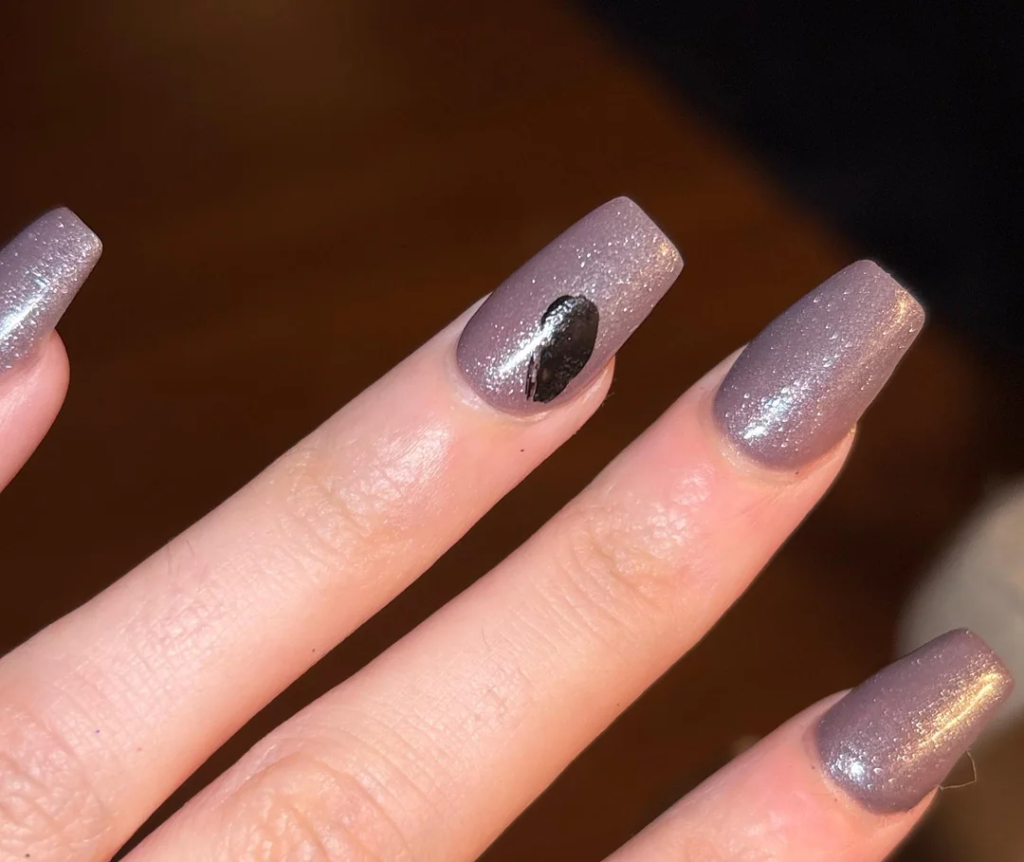
Pure acetone is the most effective solvent for breaking down gel polish.
Popular products include:
- OPI Expert Touch Lacquer Remover
- Sally Hansen Salon Pro Gel Remover
- Onyx Professional Pure Acetone
These removers dissolve gel polish quickly and reduce the need for scraping.
Nail Buffers and Files
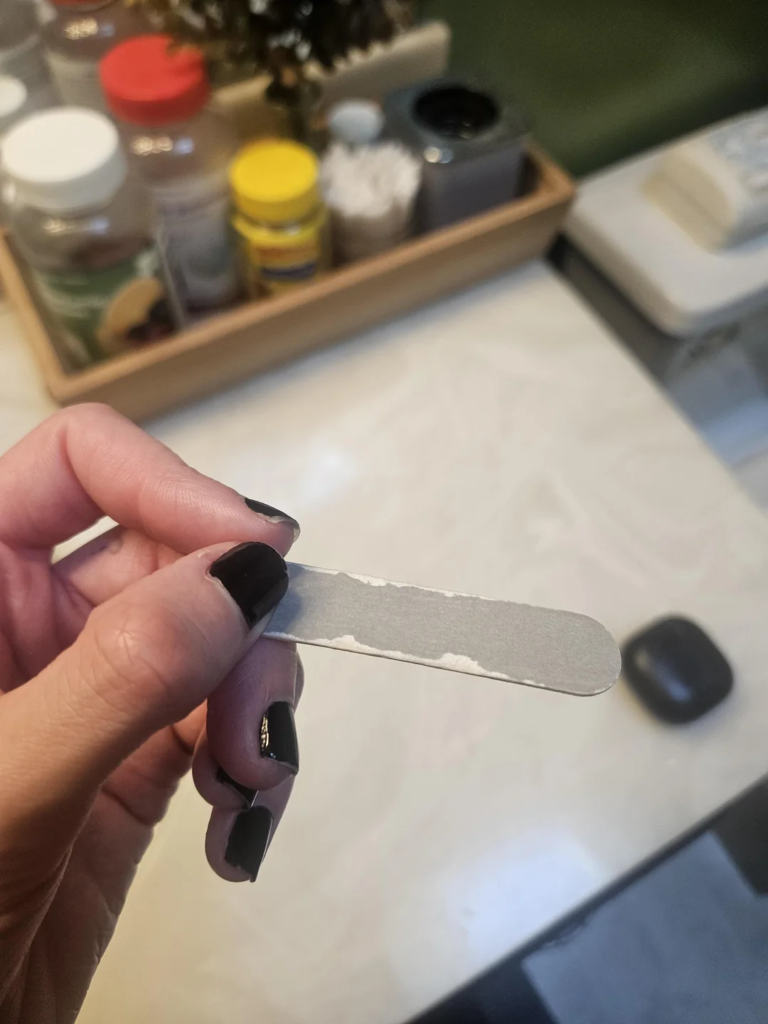
High-quality nail files help remove the top coat without damaging the natural nail.
Common tools include:
- 180-grit nail file for breaking the top seal
- Nail buffer block for smoothing the surface
Brands like Tweezerman and Makartt produce durable manicure tools used by many professionals.
Cuticle Oils
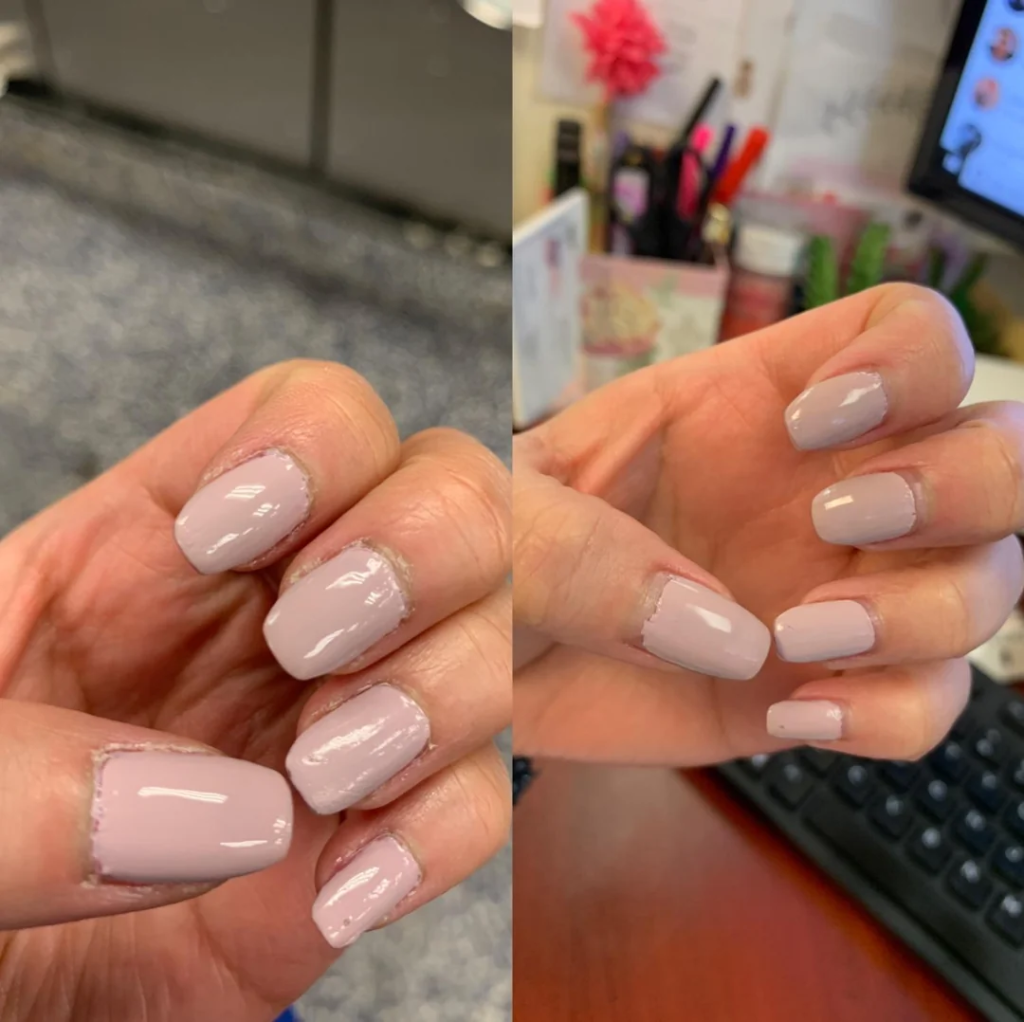
After removing gel polish, nails often feel dry. Cuticle oils restore moisture and support nail recovery.
Recommended options include:
- CND SolarOil
- Essie Apricot Cuticle Oil
- OPI ProSpa Nail and Cuticle Oil
Applying cuticle oil daily helps maintain nail flexibility.
What to Do After Removing Gel Nail Polish
Many people forget that nail care should continue even after the polish is removed.
The removal process exposes the natural nail plate, which may feel slightly dry due to acetone.
Taking a few simple steps can restore nail health quickly.
Hydrate the Nail Plate
Apply cuticle oil immediately after removal. Massage it into the nail and surrounding skin.
Hydration helps prevent peeling.
Use Strengthening Treatments
Strengthening base coats protect nails between manicures.
Products like OPI Nail Envy and Essie Treat Love and Color help reinforce weak nails.
Give Nails a Short Break
If you frequently wear gel manicures, consider giving your nails a short break every few weeks.
This allows the nail plate to recover naturally.
Keep Nails Trimmed
Short nails are less likely to break while recovering from polish removal.
Regular trimming also encourages healthy nail growth.
Troubleshooting: When Gel Nail Polish Won’t Come Off
Sometimes gel polish does not soften easily during removal. This situation often happens with thick gel layers or strong top coats.
Here are several solutions.
Extend the Soaking Time
If the gel does not lift after 10 to 15 minutes, wrap the nail again and soak for another 5 minutes.
Extra soaking time often solves the problem.
Lightly Re-File the Surface
If the acetone cannot penetrate the gel layer, gently file the surface again to remove more of the top coat.
Use Fresh Acetone
Old acetone may lose effectiveness. Fresh acetone dissolves gel polish more quickly.
Avoid Scraping the Nail
Scraping aggressively can damage the natural nail plate. Always wait until the gel softens enough to slide off easily.
Patience during removal prevents long-term nail damage.
Are Gel Nails Damaging? (Health & Safety Facts)
Many people worry that gel manicures ruin natural nails. This belief is very common, but it is not completely accurate.
The real issue is how gel nail polish is applied and removed.
When professionals apply gel polish correctly and remove it using the soak-off method, the natural nail usually stays healthy.
Most nail damage happens because of these mistakes:
Peeling Gel Polish Off
Peeling gel polish may feel quick and easy, but it removes layers of the nail plate. Over time this leads to thin, weak nails that split easily.
Over-Filing the Nail Surface
Some people file too aggressively when trying to remove gel polish. Excessive filing weakens the nail structure.
A gentle buff is enough to break the gel top coat.
Using Incorrect Removal Products
Non-acetone nail polish removers often fail to dissolve gel polish properly. This forces people to scrape or peel the polish.
Pure acetone works much better for gel polish removal.
Removing Gel Too Frequently
Constant gel manicures without breaks may cause dryness. Allowing short recovery periods between manicures helps keep nails strong.
Healthy nail care habits make a big difference.
How to Protect Your Natural Nails After Gel Removal
After removing gel polish, your nails may feel slightly dry. This happens because acetone removes natural oils.
A simple recovery routine can restore nail health quickly.
Apply Cuticle Oil Daily
Cuticle oil helps nourish the nail bed and surrounding skin.
Products like CND SolarOil, OPI ProSpa Nail Oil, and Essie Apricot Cuticle Oil restore hydration.
Massage the oil into the cuticle area once or twice a day.
Use Nail Strengtheners
Nail strengthening treatments reinforce weak nails after gel removal.
Common options include:
- OPI Nail Envy Strengthener
- Sally Hansen Hard as Nails
- Essie Treat Love and Color
These formulas add protective layers that help prevent breakage.
Moisturize Hands Regularly
Hydrated skin supports healthy nails. Hand creams containing vitamin E or shea butter help protect the nail area.
Avoid Excess Water Exposure
Long exposure to water can weaken nails temporarily. Wearing gloves during cleaning helps protect them.
Nail Care Trends for 2026
The nail industry continues evolving with new products and techniques. Several nail care trends are expected to grow in popularity during 2026.
Health-Focused Manicures
More people now prioritize nail health rather than just appearance. Nail strengthening treatments and hydration routines are becoming part of regular manicures.
Builder Gel Systems
Builder gel products are gaining attention because they strengthen natural nails while providing a gel polish finish.
Brands like Apres Gel-X and Kiara Sky Builder Gel lead this trend.
Gentle Gel Removal Systems
New removal solutions are being developed to reduce acetone exposure. Some products dissolve gel polish faster while adding conditioning ingredients.
Minimalist Nail Designs
Simple nail styles such as nude gel polish, soft French tips, and neutral colors remain extremely popular.
These designs are easier to maintain and suit professional environments.
Frequently Asked Questions
How do salons remove gel nail polish?
Most salons remove gel polish using the acetone soak-off method. The nail surface is lightly filed, then soaked with acetone using foil wraps or soak clips. After about fifteen minutes, the softened gel polish is gently pushed off.
Can I remove gel nail polish without acetone?
Some removal products claim to work without acetone, but pure acetone remains the most effective method. Without acetone, gel polish usually requires heavy filing, which may damage the nail.
How often should gel polish be removed?
Gel manicures typically last two to three weeks. After this period, removal or replacement is recommended to prevent lifting and nail stress.
Why does gel polish sometimes peel off early?
Peeling often occurs when the nail surface was not prepared correctly before application. Oils or moisture on the nail plate prevent the gel from bonding properly.
Is it safe to wear gel polish regularly?
Yes, gel polish can be worn regularly if it is applied and removed correctly. Many nail technicians recommend occasional breaks to maintain nail strength.
Final Thoughts
Gel nail polish offers long-lasting shine and durability that traditional nail polish cannot match. But maintaining healthy nails requires patience and proper care.
The safest way to remove gel nail polish is the acetone soak-off method combined with gentle pushing and light buffing.
Avoid peeling or scraping the polish, and always nourish your nails afterward with cuticle oil and strengthening treatments.
Healthy nail habits make every manicure look better and last longer.
When you take care of your nails properly, gel polish becomes a convenient beauty routine rather than a source of damage.
And once you learn the correct removal method, you can safely manage your gel manicures at home with confidence.