
Nail Varnish Removal: Safe Methods, Best Removers & Expert Tips for Healthy Nails
A few months ago, a client walked into a nail salon in New York with a simple problem. She had applied three layers of dark red nail varnish before a weekend event, but now the polish looked chipped and uneven. Instead of removing it properly, she tried scraping it off with another nail.
Within minutes, the nail surface looked rough and damaged.
This situation happens more often than people realize.
Removing nail varnish seems simple, but improper techniques can weaken the nail plate, dry the cuticle area, and cause peeling layers. Whether you are removing traditional nail polish, gel polish, or glitter varnish, the method you choose makes a big difference.
In this guide, you will learn the safest nail varnish removal methods, the best nail polish removers used by professionals, and simple tips to protect your natural nails during the process.
What Is Nail Varnish Removal?
Nail varnish removal is the process of dissolving or wiping away nail polish from the natural nail surface. Most nail varnish removers contain solvents such as acetone or ethyl acetate that break down polish pigments and allow them to be wiped off with cotton pads.
Proper nail varnish removal helps protect the nail plate and prevents damage.
If you want more info about the furry nails please visit the https://mimonails.com/furry-nails/
Why Proper Nail Varnish Removal Matters
Many people remove nail polish quickly without considering nail health. However, improper removal techniques can cause several problems.
Protects the Natural Nail Plate
The natural nail consists of thin keratin layers. Scraping or peeling polish can remove these layers and weaken the nail.
Using a proper nail polish remover dissolves the varnish without damaging the nail.
Prevents Nail Dryness
Some removal methods remove natural oils from the nail surface. Hydrating the nail after removal helps maintain healthy nails.
Maintains Smooth Nail Surface
Correct nail varnish removal prevents rough texture on the nail plate. A smooth nail surface helps polish adhere better during the next manicure.
You can read more info about elegant nails here.
Types of Nail Varnish Removers
Different nail polish formulas require different removal methods. Understanding the types of nail varnish removers helps you choose the best option.
Acetone Nail Polish Remover
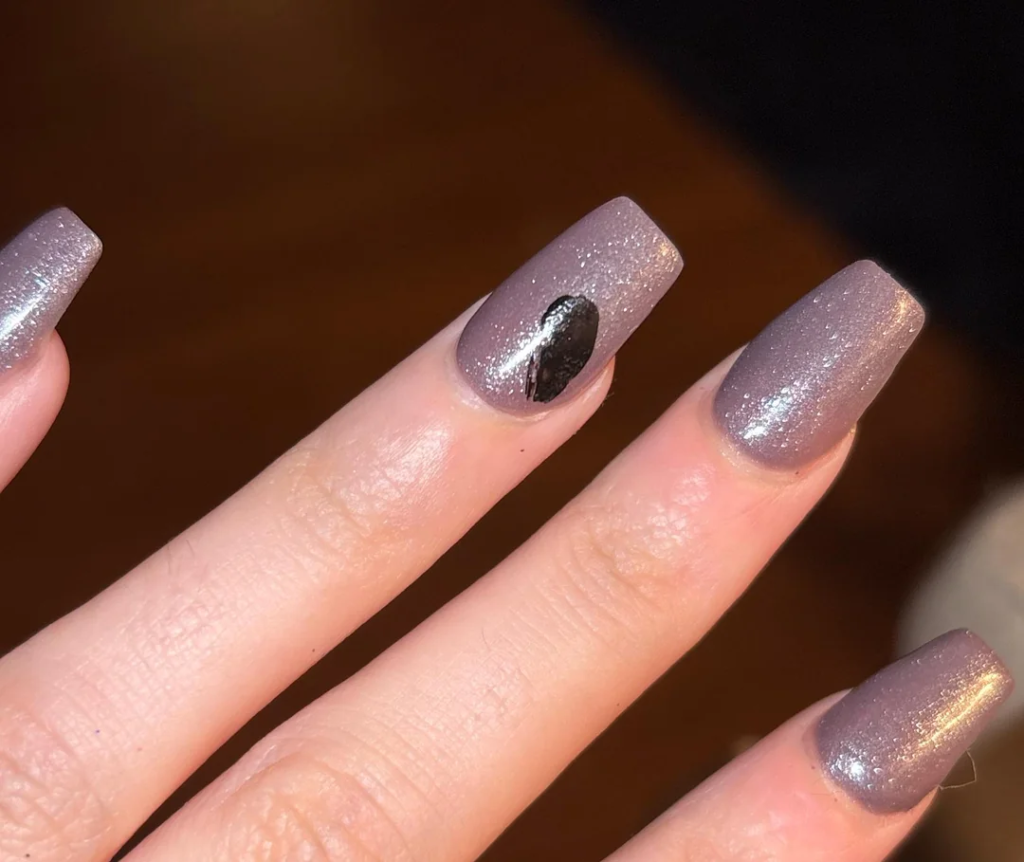
Acetone is one of the most effective solvents for removing nail polish.
It dissolves polish quickly and works especially well for glitter nail polish and gel polish removal.
Professional nail brands such as OPI, CND, and Gelish produce acetone-based removers used in salons.
Non-Acetone Nail Polish Remover
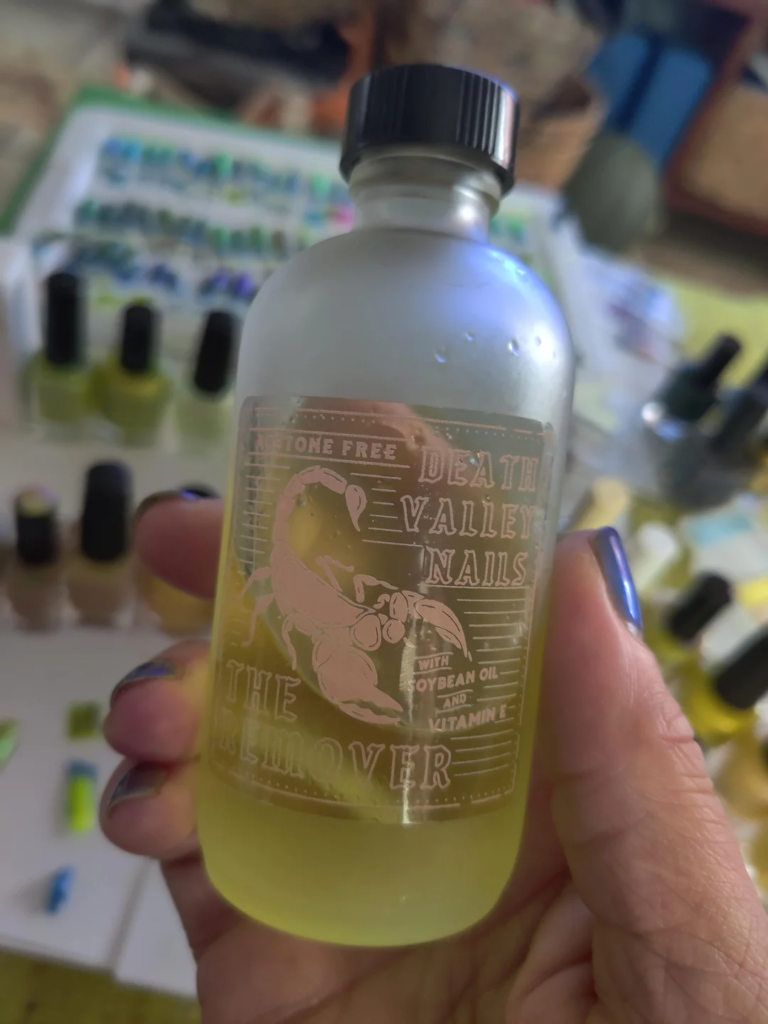
Non-acetone removers contain gentler solvents such as ethyl acetate.
These removers work well for regular nail polish but may take longer to dissolve thicker formulas.
They are often recommended for people with sensitive nails.
As you know summer nails most important you can read more about summer nails here.
Conditioning Nail Polish Removers
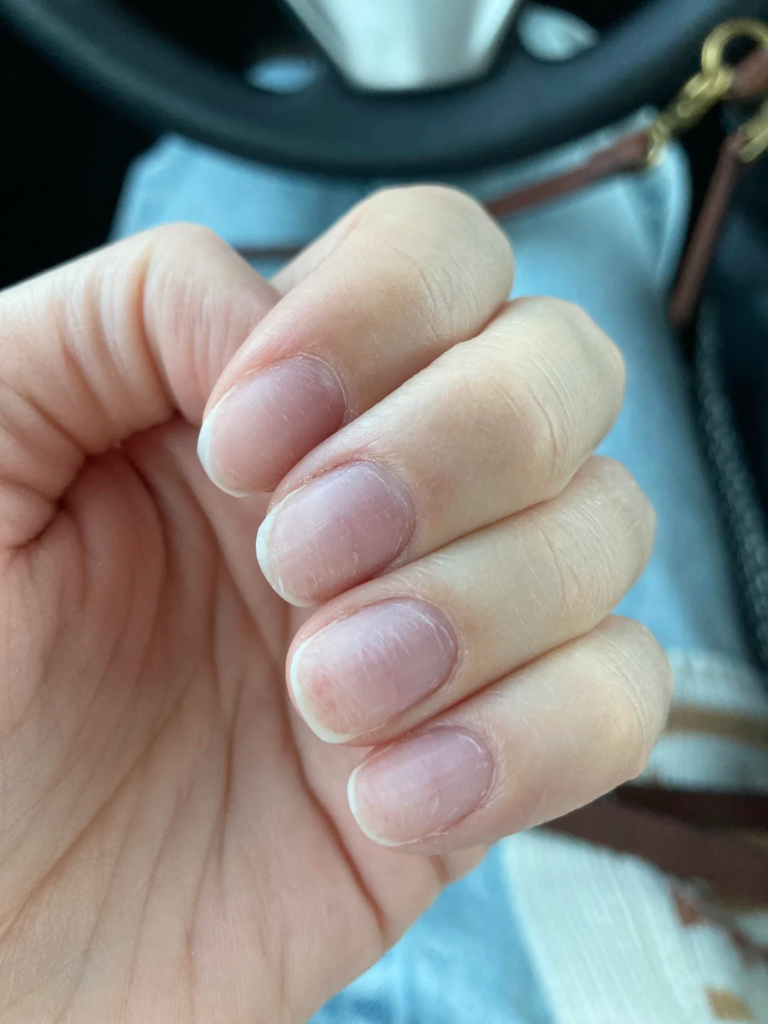
Some modern nail varnish removers include moisturizing ingredients such as vitamin E, aloe vera, or glycerin.
These formulas aim to reduce dryness during nail polish removal.
Brands like Sally Hansen, Essie, and Cutex offer conditioning removers designed for regular use.
How to Remove Nail Varnish Safely at Home
Removing nail varnish at home is simple when you follow the correct steps.
Tools You Need
Before starting the removal process, gather the following items:
- Nail polish remover
- Cotton pads or cotton balls
- Nail buffer
- Cuticle oil
- Hand moisturizer
Using quality nail products from brands such as OPI, Essie, Sally Hansen, or Cutex helps achieve better results.
Step-by-Step Nail Varnish Removal Process
- Soak a cotton pad with nail polish remover.
- Press the cotton pad onto the nail for several seconds.
- Wipe the nail gently from base to tip.
- Repeat if polish remains.
- Wash hands after removing all polish.
- Apply cuticle oil and moisturizer.
Allowing the remover to sit on the nail for a few seconds helps dissolve the polish more effectively.
Removing Different Types of Nail Varnish
Not all nail polish types are removed the same way.
Regular Nail Polish Removal
Standard nail polish usually dissolves quickly with acetone or non-acetone removers.
Glitter Nail Polish Removal
Glitter polish contains reflective particles that stick strongly to the nail surface. Acetone-based removers usually work best.
Gel Nail Polish Removal
Gel polish requires soaking with acetone because the polish cures under UV or LED lamps.
Professional salons often use foil wraps or soak clips during gel polish removal.
Common Nail Varnish Removal Mistakes
Many nail problems occur because of simple removal mistakes.
Scraping the Nail Surface
Using sharp tools or other nails to scrape polish off damages the nail plate.
Using Too Little Remover
Insufficient remover makes the process harder and encourages excessive rubbing.
Skipping Nail Hydration
After removal, nails may feel dry. Applying cuticle oil restores moisture.
30+ Practical Nail Varnish Removal Tips and Tricks
Removing nail varnish becomes easier and safer when you follow proven nail care habits. Many professional nail technicians use simple tricks that protect the nail plate and reduce dryness.
Below are 30 practical nail varnish removal tips used by nail professionals and beauty experts.
Preparation Tips Before Removing Nail Polish
Preparing the nails properly helps prevent damage during removal.
- Wash your hands before starting
- Use lint-free cotton pads when possible
- Choose a good quality nail polish remover
- File thick polish layers slightly before removal
- Protect the skin around nails with cuticle oil
Effective Nail Polish Removal Techniques
These techniques help dissolve polish faster and reduce rubbing.
- Press the cotton pad on the nail for 10 seconds
- Wipe from cuticle toward the tip of the nail
- Use fresh cotton for each hand if needed
- Remove darker polish colors slowly
- Let acetone sit longer for stubborn polish
Tips for Removing Glitter Nail Polish
Glitter nail polish often sticks strongly to the nail plate.
- Use acetone-based nail polish remover
- Wrap cotton and foil around each nail
- Allow soaking for several minutes
- Gently slide glitter particles off the nail
- Avoid scraping glitter polish forcefully
Nail Care Tips After Removal
Healthy nail care prevents dryness and peeling.
- Apply cuticle oil after removing polish
- Use a moisturizing hand cream
- Buff nails lightly if surface feels rough
- Avoid applying new polish immediately
- Let nails rest occasionally between manicures
These small habits help maintain strong natural nails.
Best Nail Polish Remover Brands Used by Professionals
Choosing the right remover can make nail varnish removal much easier.
Many nail technicians rely on professional brands that dissolve polish quickly while protecting nail health.
OPI Nail Polish Remover
OPI produces professional-grade removers used in many nail salons. Their acetone removers dissolve polish quickly.
CND Offly Fast Remover
CND is widely known for its gel manicure systems. Their remover is designed to remove both regular polish and gel polish effectively.
Cutex Nail Polish Remover
Cutex is a popular consumer brand known for conditioning formulas that contain vitamins and moisturizing ingredients.
Sally Hansen Nail Polish Remover
Sally Hansen produces several removers designed for different nail types, including strengthening formulas.
Essie Nail Polish Remover
Essie removers often contain conditioning agents that reduce dryness while removing nail varnish.
These brands remain trusted in salons and beauty communities because they offer reliable results.
Natural Nail Varnish Removal Alternatives
Some people prefer gentler or natural methods for removing nail polish. While these methods may take longer, they can be useful when acetone is not available.
Alcohol-Based Removal
Rubbing alcohol can dissolve some nail polish formulas, although it usually requires more effort than acetone.
Vinegar and Lemon Mixture
A mixture of white vinegar and lemon juice can help soften nail polish. However, this method works best with light polish colors.
Toothpaste Method
Some people use toothpaste combined with baking soda to rub away nail polish. This method works slowly and may require repeated application.
Natural methods are generally less effective than acetone removers, but they may work for light polish layers.
Nail Care Routine After Removing Nail Varnish
Maintaining nail health after removing polish is essential for strong natural nails.
Hydrate the Nail Plate
Nails often become dry after polish removal. Applying cuticle oil helps restore moisture.
Common nail care oils include CND SolarOil, Essie Apricot Cuticle Oil, and OPI ProSpa Nail Oil.
Use Nail Strengtheners
Strengthening treatments reinforce weak nails.
Examples include:
- OPI Nail Envy
- Sally Hansen Hard as Nails
- Essie Treat Love and Color
These products add protective layers that support nail growth.
Keep Nails Short During Recovery
Short nails reduce the risk of breakage while the nail plate recovers from polish removal.
Regular trimming also encourages healthy nail growth.
Common Problems During Nail Varnish Removal
Sometimes nail polish removal does not go as smoothly as expected.
Here are common issues and how to solve them.
Nail Polish Won’t Come Off Easily
This usually happens with thick polish layers or glitter polish. Allow the remover to sit longer before wiping.
Nails Feel Dry After Removal
Acetone can remove natural oils. Applying cuticle oil and hand cream helps restore hydration.
Nail Surface Feels Rough
Light buffing can smooth the nail plate before applying new polish.
Avoid aggressive buffing, which may thin the nail.
Nail Varnish Removal Safety and Nail Health
Removing nail varnish safely protects the natural nail plate and prevents long-term damage. Many nail problems such as peeling nails, dryness, or splitting happen because of improper removal techniques.
When nail polish removal is done correctly, the process should leave the nail smooth and healthy.
Avoid Peeling or Scraping Nail Polish
One of the most common mistakes is peeling nail polish off the nail surface. This removes layers of keratin from the nail plate and can cause weak or thin nails.
Always use a proper nail varnish remover rather than scraping polish off.
Limit Excessive Acetone Exposure
Acetone works very well for removing stubborn nail polish, but frequent exposure can dry out nails and skin.
Using moisturizing removers or conditioning nail polish removers helps reduce dryness.
Protect the Cuticle Area
The cuticle protects the nail matrix where new nail growth begins. During nail varnish removal, avoid rubbing the cuticle area aggressively.
Applying cuticle oil afterward helps maintain healthy nails.
Healthy Nail Habits That Prevent Nail Damage
Strong nails require consistent care beyond occasional manicures. Following a few simple habits helps prevent nail damage from frequent nail varnish removal.
Moisturize Nails and Cuticles
Hydrated nails are more flexible and less likely to break. Applying cuticle oil daily helps maintain nail strength.
Many nail technicians recommend products such as:
- CND SolarOil
- Essie Apricot Cuticle Oil
- OPI ProSpa Nail Oil
These oils nourish the nail plate and surrounding skin.
Give Nails Breaks Between Manicures
Constantly wearing nail polish can sometimes cause dryness. Allowing nails to rest between manicures gives them time to recover.
Even a few days without polish can help restore nail moisture.
Use Nail Strengthening Treatments
Strengthening base coats help protect the nail surface.
Popular nail strengtheners include:
- OPI Nail Envy
- Sally Hansen Hard as Nails
- Essie Treat Love and Color
These treatments support nail growth and reduce breakage.
Modern Trends in Nail Varnish Removal Products
The nail care industry continues developing new removal formulas designed to be more gentle and effective.
Conditioning Nail Polish Removers
Many modern removers now include nourishing ingredients such as vitamin E, aloe vera, and glycerin. These ingredients reduce dryness during nail polish removal.
Acetone-Free Nail Polish Removers
Acetone-free removers use alternative solvents that are less drying. While they may work more slowly, they are often preferred for frequent use.
Gel Nail Removal Systems
New removal systems designed for gel manicures use soak clips or wraps to dissolve gel polish more effectively.
Professional salons often use these systems with brands like OPI, CND, and Gelish.
Frequently Asked Questions About Nail Varnish Removal
What is the best way to remove nail varnish?
The safest method is using a nail polish remover with cotton pads. Press the cotton on the nail for a few seconds before wiping to allow the remover to dissolve the polish.
Is acetone bad for nails?
Acetone is effective for removing nail polish but may dry the nail plate if used frequently. Applying cuticle oil afterward helps restore moisture.
Can nail varnish be removed without remover?
Some natural alternatives like rubbing alcohol or vinegar mixtures can soften nail polish, but they are usually less effective than standard nail polish remover.
How often should nail varnish be removed?
Most manicures last about one week before removal. If polish begins to chip or peel, removing it helps maintain nail health.
Why do nails feel dry after removing polish?
Nail polish removers dissolve oils along with polish pigments. Moisturizing products restore hydration and prevent nail brittleness.
Final Thoughts
Nail varnish removal may seem like a small part of nail care, but it plays an important role in maintaining healthy nails. Proper removal techniques prevent damage, preserve the nail plate, and prepare the nails for the next manicure.
Using quality nail polish removers, avoiding peeling polish, and following a simple nail care routine can keep nails strong and smooth.
With the right habits and products, nail varnish removal becomes a quick and safe step in maintaining beautiful, healthy nails.